
.png)


Create a Soil Remediation Fund for Calgary's Lowest-Canopy Communities

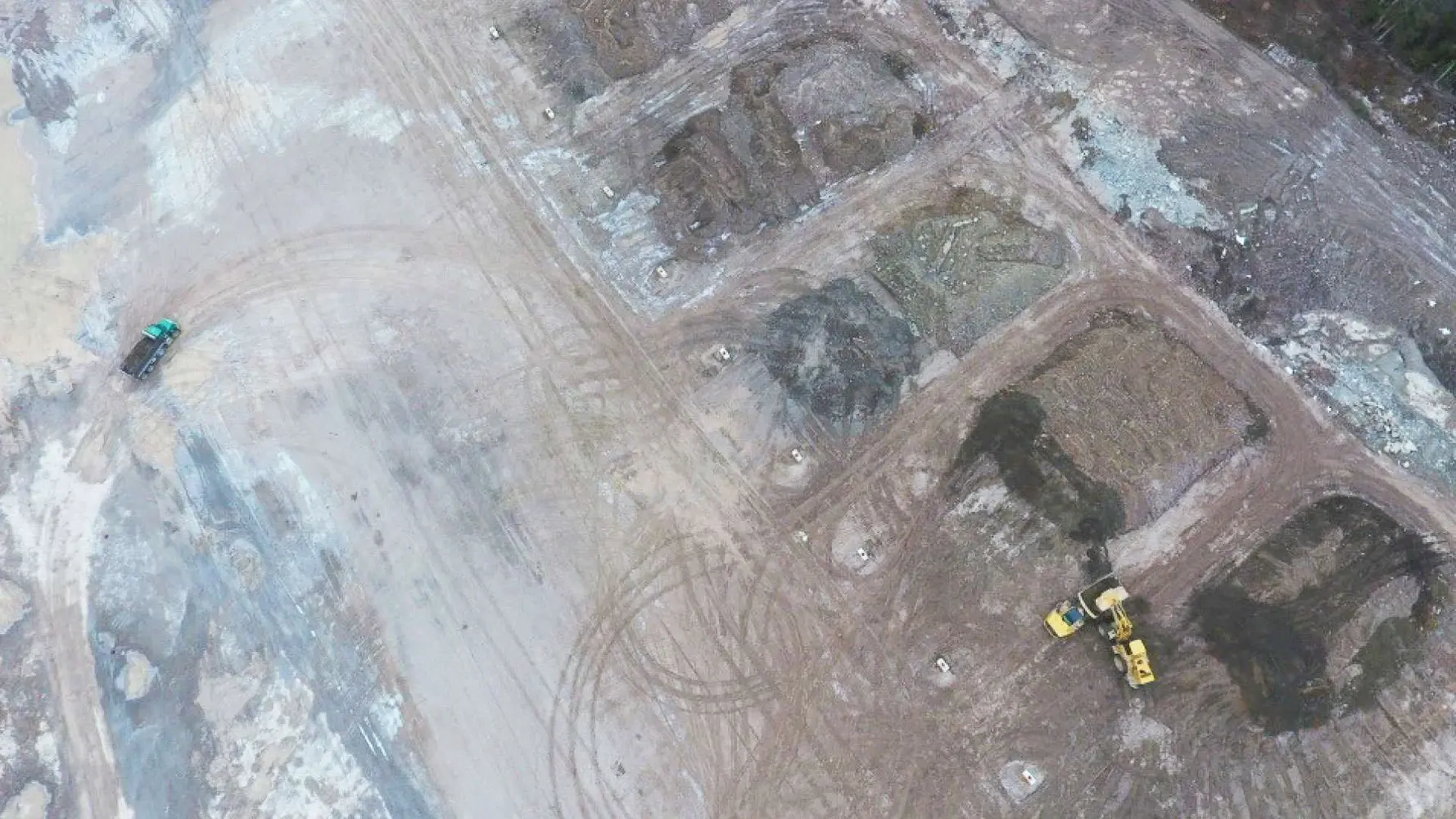
The single biggest barrier to planting trees in Calgary's lowest-canopy communities isn't money for trees — it's money for soil. Prairie clay soil in newer developments compacts easily, drains poorly, and lacks the organic matter that tree root systems need to establish. Without soil rehabilitation first, trees planted in these communities die at significantly higher rates, wasting the planting investment entirely.
Right now soil rehabilitation costs compete directly with tree planting costs inside the same budget. This creates a perverse incentive — urban forestry teams get more trees in the ground for their budget by planting in already-suitable soil in established neighbourhoods, rather than doing the expensive ground preparation work that would unlock planting capacity in underserved communities for decades to come.
We propose that Calgary establish a dedicated Soil Remediation Fund, separate from the tree planting budget, specifically targeting the twenty communities with the lowest canopy coverage in the city. This fund would:
Commission soil assessments in all twenty priority communities to map exactly where rehabilitation is needed and at what cost
Fund a five-year rolling soil preparation program working through priority sites systematically
Track and publicly report survival rates of trees planted in remediated versus unremediated soil to demonstrate return on investment
Coordinate with the federal planting program timeline so remediated sites are ready to receive trees as funding flows
Why this matters: Every dollar spent on soil remediation in a low-canopy community is an investment that pays returns for a hundred years. A tree planted in properly prepared soil has a survival rate several times higher than one planted in unrehabilitated prairie clay. The communities that have been waiting longest for trees deserve a plan that actually works, not repeated planting attempts that fail for the same preventable reason.
Who needs to act: Calgary City Council, Urban Forestry and Parks Administration, Infrastructure and Planning Committee
What success looks like: Within ten years every priority low-canopy community has completed soil assessment and at least begun remediation. Tree survival rates in the northeast measurably improve. The gap between planting targets and actual established canopy in low-coverage wards begins to close.
Cost estimate Soil assessment across twenty communities: approximately $500,000. Annual remediation fund: $2–3 million per year for five years. Total investment comparable to or less than the cost of repeatedly replanting trees that die in unsuitable soil.
-
Cityscape, NE Calgary
Codi QR


Compartir
O copiar l'enllaç